Drilling Into the Regulatory Maze: The Compliance Gaps That Stall Commercial and Municipal Water Projects
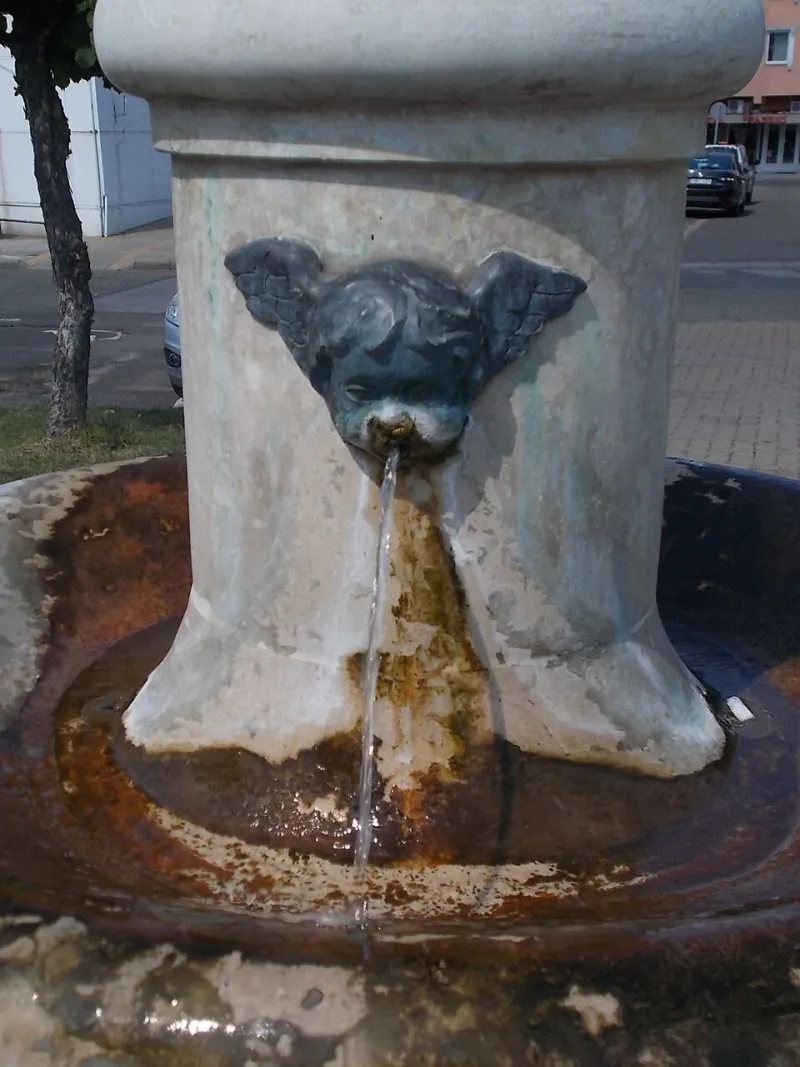
Photo: Globetrotter19, CC BY-SA 3.0, via Wikimedia Commons
Few elements of a commercial or municipal drilling project carry more potential for disruption than regulatory compliance. Developers and project managers who focus their pre-construction attention on site selection, contractor procurement, and equipment specifications frequently discover—too late—that the permitting and environmental compliance landscape is far more complex than anticipated. The result is project delays measured in months, not days, and in some cases, fines and remediation requirements that dwarf the original project budget.
This article examines the federal and state regulatory framework governing commercial drilling projects across the United States, identifies the compliance checkpoints most commonly missed by project teams, and provides regional context for the permit requirements that vary most significantly from one jurisdiction to another.
The Federal Foundation: What the EPA Actually Requires
The Environmental Protection Agency's regulatory authority over drilling projects flows primarily through two statutory frameworks: the Safe Drinking Water Act (SDWA) and the Clean Water Act (CWA). Understanding how these laws apply to commercial and municipal well installations is essential groundwork.
Under the SDWA, the EPA administers the Underground Injection Control (UIC) program, which regulates the construction, operation, and closure of injection wells. While water supply wells are not injection wells in the traditional sense, the UIC program intersects with commercial drilling when projects involve dewatering, aquifer recharge, or geothermal systems that return fluid to the subsurface. Projects that trigger UIC requirements—which vary by well class—must obtain federal permits in addition to any state approvals.
The Clean Water Act becomes relevant when drilling activities occur near wetlands, navigable waters, or their tributaries. Section 404 permits from the Army Corps of Engineers may be required when drilling operations involve the discharge of dredged or fill material into waters of the United States. This requirement catches many commercial developers off guard, particularly in coastal states and regions with extensive wetland coverage.
Beyond these primary frameworks, the National Environmental Policy Act (NEPA) can require environmental impact assessments for projects on federal land or those receiving federal funding—a common scenario in municipal water infrastructure projects supported by USDA Rural Development grants or EPA Drinking Water State Revolving Fund loans.
State Permitting: Where the Real Complexity Lives
While federal requirements establish a baseline, state-level permitting is where commercial drilling projects most frequently encounter unexpected obstacles. State programs vary enormously in their requirements, processing timelines, and enforcement philosophies. The following regional overview illustrates the scope of that variation.
The Southeast and Florida Florida's water management districts—five regional bodies with independent regulatory authority—administer consumptive use permits (CUPs) for water well installations. These permits require detailed hydrogeological analysis demonstrating that proposed withdrawals will not adversely affect existing users or natural systems. The documentation requirements are extensive, and processing times of six to twelve months are not unusual for larger commercial projects. Florida's karst geology adds complexity, as applicants must often demonstrate that proposed well locations avoid sensitive recharge zones.
The Southwest: Texas and California Texas operates under a groundwater management framework that divides the state into Groundwater Conservation Districts (GCDs), each with its own rules, forms, and fee structures. A commercial developer operating across multiple counties may face different permit requirements in each district. California's Sustainable Groundwater Management Act (SGMA), enacted in 2014, has added significant new requirements for projects in basins designated as critically overdrafted. Projects in these basins may face permit denials or mitigation requirements tied to basin sustainability plans.
The Midwest and Great Plains States including Nebraska, Kansas, and Iowa operate under prior appropriation doctrines that assign water rights based on historical use. New commercial water wells in these states may require water rights applications that proceed on separate tracks from drilling permits—a distinction many project managers fail to recognize until one approval is granted and the other is not. Processing timelines for water rights applications can extend well beyond those for drilling permits, creating a sequencing problem that delays project activation even when construction is complete.
The Northeast New England states, particularly Massachusetts and Connecticut, have implemented increasingly stringent water table documentation requirements in response to declining streamflows and aquifer levels. Commercial well applicants in these states must often submit pump test data, water table monitoring reports, and stream impact analyses before permits are issued. The scientific rigor required by state hydrogeologists has increased substantially over the past decade.
Water Table Documentation: An Underestimated Requirement
Across virtually every US jurisdiction, pre-drilling water table documentation has become a more demanding requirement than it was a decade ago. State regulators increasingly require baseline groundwater level data collected over multiple seasons before a permit application can be deemed complete. This means that a commercial developer who identifies a need for a water well and immediately submits a permit application may be told to collect twelve to twenty-four months of monitoring data before the application can proceed.
Project teams that fail to anticipate this requirement face a choice between delaying the entire project timeline or seeking variances that are not guaranteed to be granted. The solution is straightforward but requires early action: initiate groundwater monitoring at the earliest possible stage of site assessment, well before permit applications are formally submitted.
Environmental Compliance Checkpoints Commonly Overlooked
Beyond the primary permit pathways, several environmental compliance checkpoints consistently catch commercial project teams unprepared.
Wellhead Protection Program (WHPP) Zones: Most states have delineated wellhead protection areas around existing public water supply wells. Commercial drilling projects proposed within these zones face additional scrutiny and may require demonstration that new wells will not affect existing supplies. Failing to identify proximity to a WHPP zone early in site selection can result in permit denial after significant planning investment.
Endangered Species Act (ESA) Consultation: Drilling projects that may affect listed species or their critical habitat require consultation with the US Fish and Wildlife Service. In regions with cave-dwelling species or groundwater-dependent ecosystems—parts of Texas, the Ozarks, and the Pacific Northwest—this consultation can add months to a project schedule.
State Environmental Policy Acts (SEPAs): Many states have enacted their own environmental review requirements that parallel NEPA. California (CEQA), Washington (SEPA), and New York (SEQRA) each impose state-level environmental review obligations that can require public comment periods, alternative analyses, and mitigation documentation independent of federal requirements.
Building a Compliance-First Project Framework
The regulatory landscape described above is not designed to obstruct legitimate commercial and municipal development. It exists to protect shared water resources, and most requirements are navigable with proper preparation. The projects that encounter the most severe delays are almost always those that treat regulatory compliance as a parallel track to be managed after engineering and contracting decisions are made.
A compliance-first approach reverses this sequencing. It begins with a regulatory audit that identifies every applicable federal, state, and local requirement before site selection is finalized. It incorporates permit processing timelines into the project master schedule rather than treating them as administrative details. And it engages qualified hydrogeologists and environmental consultants early—not after the first permit denial.
At Salem Bore Wells, we work with project teams to identify regulatory requirements at the earliest planning stages, ensuring that the compliance pathway is mapped and understood before any drilling contract is executed. The regulatory maze is real, but it is navigable—provided you enter it with a map.