Groundwater at Risk: Why Precision Well Installation Is a Non-Negotiable Environmental Obligation for Commercial and Municipal Projects
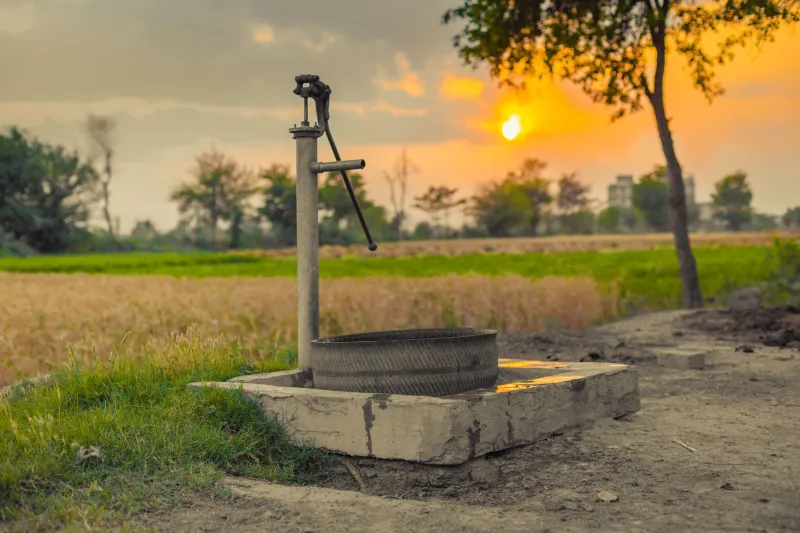
The United States draws approximately 26 percent of its total freshwater supply from groundwater, according to the U.S. Geological Survey. Millions of Americans rely on that supply for drinking water, agricultural irrigation, and industrial processes. Yet the infrastructure through which groundwater is accessed—the bore wells drilled into aquifers across the country—receives far less public scrutiny than the surface water treatment plants and municipal distribution systems that serve urban populations.
That relative invisibility creates risk. When a well is drilled without adequate precision, without proper casing installation, or without appropriate grouting of the annular space between the borehole wall and the well casing, the consequences can be severe and lasting. Contamination pathways open between surface water and deep aquifer systems. Pathogens, agricultural chemicals, industrial solvents, and naturally occurring minerals can migrate into drinking water supplies. And unlike a burst pipe or a treatment plant failure—visible, immediate, correctable—aquifer contamination can persist for decades, spreading laterally through the subsurface and affecting water sources far removed from the original installation.
How Poorly Installed Wells Compromise Aquifer Integrity
To understand the environmental stakes, it is worth examining the mechanisms by which substandard well installation creates contamination pathways.
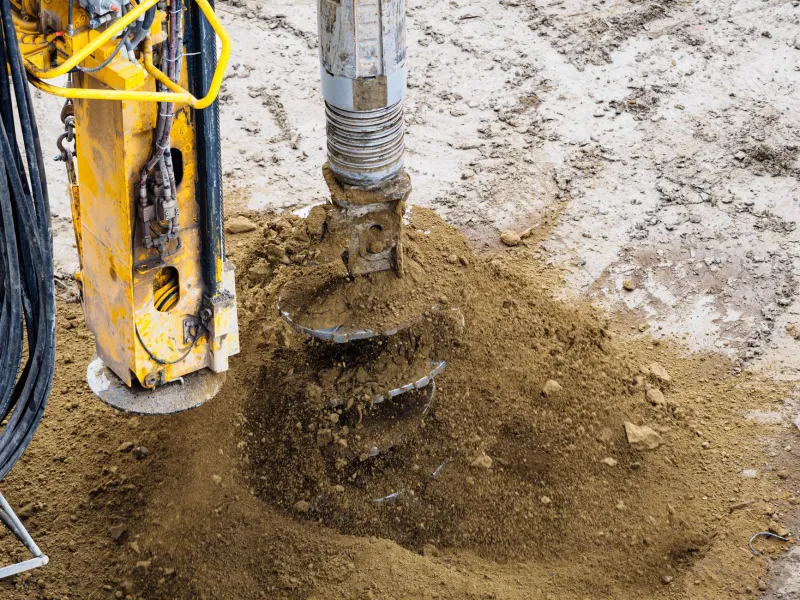
Every borehole drilled through the earth penetrates multiple geological layers: topsoil, unconsolidated sediments, confining clay layers, and one or more aquifer zones. In a properly constructed well, the annular space between the borehole wall and the steel or PVC casing is filled with grout—typically a cement-bentonite mixture—that seals the well from surface to the productive zone. This grout seal prevents surface water, shallow groundwater, and any contaminants they carry from traveling downward along the outside of the casing into the aquifer.
When that seal is inadequate—whether because the grouting was rushed, the grout mixture was improperly proportioned, or the contractor lacked the equipment to place grout from the bottom of the annulus upward—the well becomes a conduit. Rainfall that infiltrates through contaminated soil, agricultural runoff carrying nitrates and pesticides, or leachate from a nearby storage tank can travel directly into a drinking water aquifer through the unsealed annular space. The geological separation that naturally protected that aquifer from surface contamination has been bypassed entirely.
Casing integrity is equally critical. Casing that is not properly rated for the depth and pressure conditions of the well, or that is not installed with watertight threaded or welded joints, can allow contamination to enter the well column itself. In corrosive subsurface environments, undersized or improperly specified casing can fail structurally over time, collapsing or corroding in ways that are difficult and expensive to detect and remediate.
The Regulatory Framework—and Its Limits
Federal and state regulations establish baseline standards for well construction, and in most jurisdictions, commercial and municipal wells must be installed by licensed well drillers operating under permits issued by state environmental or water resource agencies. The EPA's Underground Injection Control program governs certain categories of injection wells, and state primacy agencies enforce construction standards for water supply wells.
These regulations provide an important floor. However, compliance with minimum standards does not guarantee that a well is installed with the precision that a commercial or municipal project genuinely requires. Regulatory inspections are not always conducted in real time during drilling operations, and enforcement capacity varies significantly across states and counties. A contractor who meets the letter of the applicable regulations while cutting corners on grouting depth, casing specification, or development procedures may produce a well that passes inspection but fails environmentally over its service life.
For this reason, project owners—whether commercial developers installing dewatering systems, industrial facilities requiring process water supplies, or municipalities developing new wellfields—bear responsibility for selecting contractors whose standards exceed the regulatory minimum. Certification through organizations such as the National Ground Water Association (NGWA) provides one meaningful indicator of professional competency, but direct assessment of a contractor's equipment, personnel qualifications, and project documentation practices is equally important.
The Liability Calculus
From a purely financial perspective, the case for precision installation is straightforward. Aquifer contamination remediation is extraordinarily expensive. Pump-and-treat systems for contaminated groundwater can operate for years or decades at costs that dwarf the original well installation budget. Where contamination spreads to affect neighboring properties or municipal supply wells, liability exposure can extend to third-party claims, regulatory enforcement actions, and natural resource damage assessments.
For commercial developers, the risk is particularly acute during the permitting and financing phases of a project. Environmental due diligence—Phase I and Phase II assessments—increasingly scrutinizes well construction records and historical drilling practices on subject properties. Evidence of improperly constructed wells can cloud title, delay financing, and trigger mandatory remediation prior to closing.
Municipal water systems face their own distinct liability landscape. A public water supply contaminated through a poorly constructed production well implicates public health, triggers Safe Drinking Water Act compliance obligations, and can generate significant political and reputational consequences for the officials and agencies responsible.
Best Practices That Make the Difference
Precision well installation is not a vague aspiration—it is a set of specific, documented practices that qualified contractors apply consistently.
Comprehensive geotechnical investigation prior to drilling allows the contractor to design a well completion that matches actual subsurface conditions rather than generic assumptions. Proper conductor casing installation protects the near-surface environment during drilling and provides a foundation for the annular seal. Pressure grouting from the bottom of the annulus upward—rather than gravity-filling from the top—ensures that the grout seal is continuous and free of voids. Thorough well development after installation removes drilling fluids and fine sediments from the aquifer zone, preventing premature clogging and ensuring that the well yields representative water quality.
Documentation matters as well. A qualified contractor maintains detailed drilling logs, grout placement records, and well completion reports that provide defensible evidence of proper construction—evidence that protects the project owner in the event of future regulatory scrutiny or third-party claims.
A Professional Obligation
Groundwater is a shared resource. The aquifers beneath any given project site extend far beyond property boundaries, supplying water to neighboring landowners, municipalities, and ecosystems. The decision to install a bore well with precision and care is not merely a business calculation; it is a professional and ethical obligation to the broader community that depends on that resource.
Commercial developers and municipal planners who treat well installation as a line item to be minimized are, in effect, externalizing risk onto others. The environmental consequences of that approach are well documented. The financial consequences, when they materialize, are frequently catastrophic. Precision drilling, performed by certified contractors operating to rigorous standards, is the only responsible path forward.